

Vortifer Drive · CEO-Briefing 2026
Vortifer Drive
CEO-Briefing 2026
CEO-Briefing 2026
Ein neues Antriebsprinzip
für autonome Systeme
Ein neues Antriebsprinzip
für autonome Systeme
Vortifer entwickelt eine technologiegetriebene Plattform für einen neuartigen Antrieb in Luft und Wasser — mit dem Ziel, Leistungsfähigkeit, Integration und Skalierbarkeit systemisch neu zu denken.
Vortifer in a nutshell
1. Technologie
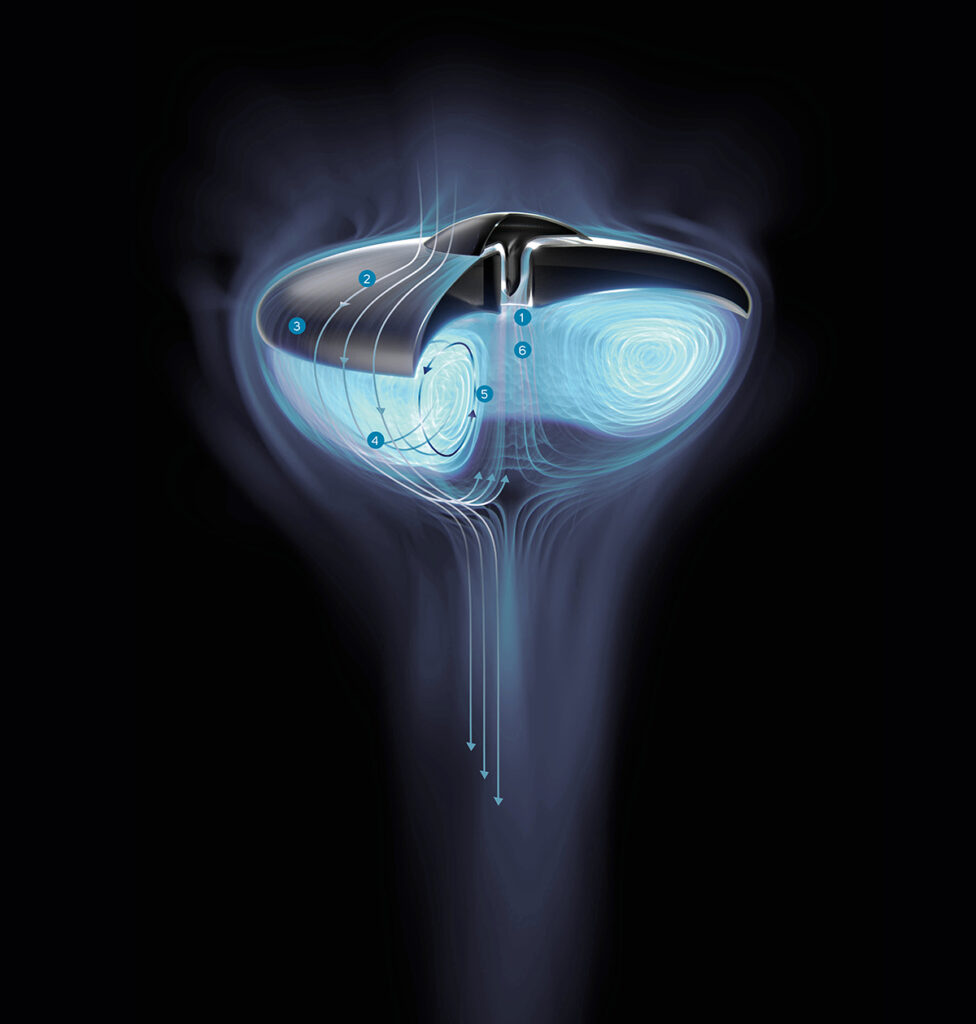
Vortifer Drive ist ein patentgeschütztes Antriebssystem auf Basis toroidaler Wirbeldynamik. Das Wirkprinzip integriert Schub, Stabilisierung und Redundanz in einer kohärenten physikalischen Architektur und ist für Anwendungen in Luft und Wasser ausgelegt.
2. Investment in eine Plattform
Im Zentrum steht kein einzelnes Produkt, sondern ein technologischer Kern, der sich in unterschiedliche Systeme integrieren lässt oder selbst als System ausgeprägt werden kann. Das Investment richtet sich entsprechend auf den Aufbau und die Skalierung einer IP-getriebenen Technologieplattform.
3. Skalierbarkeit – exemplarisch
in einem Sektor
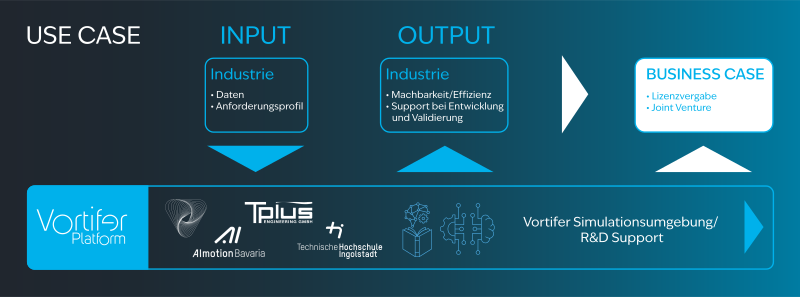
Die Skalierbarkeit lässt sich an konkreten Anwendungsfeldern nachvollziehen. Im Bereich Transport & Logistik wird sichtbar, wie derselbe technologische Kern in unterschiedlichen Einsatzformen genutzt werden kann – und wie sich Leistungsfähigkeit sowie Integration entlang konkreter Anforderungen entfalten.
4. Übertragung in das Plattformmodell
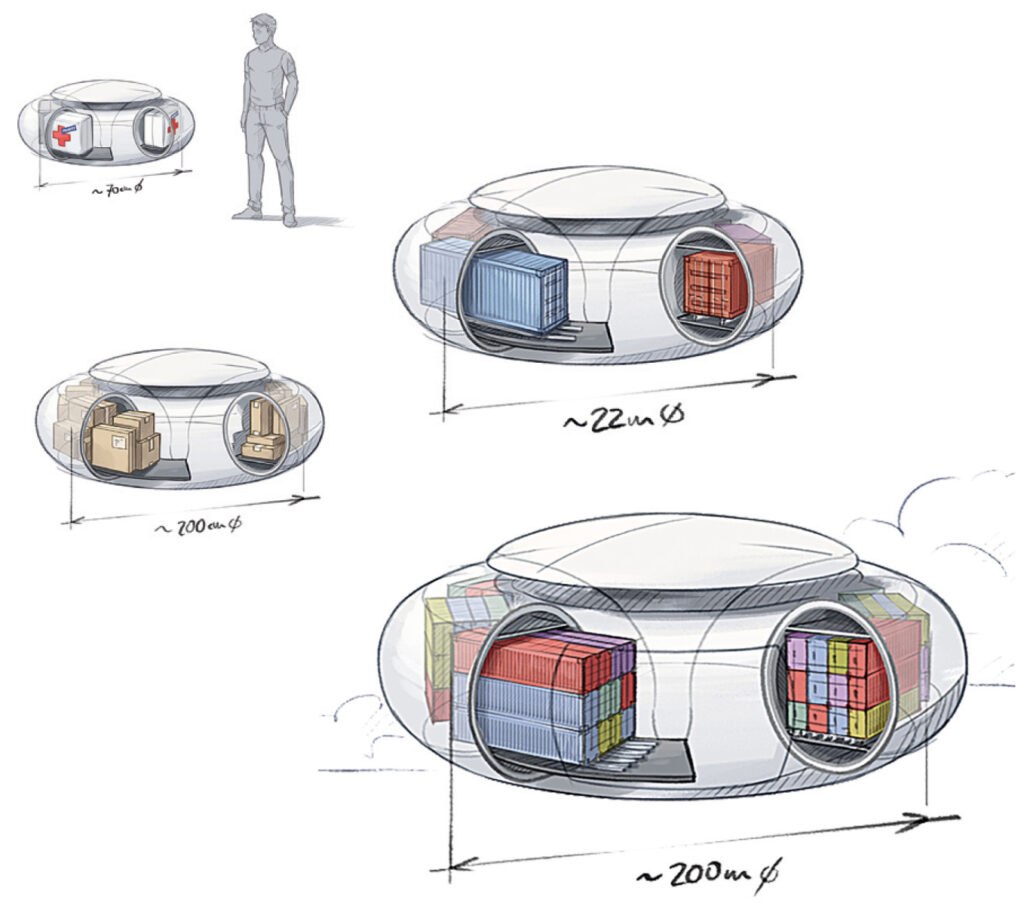
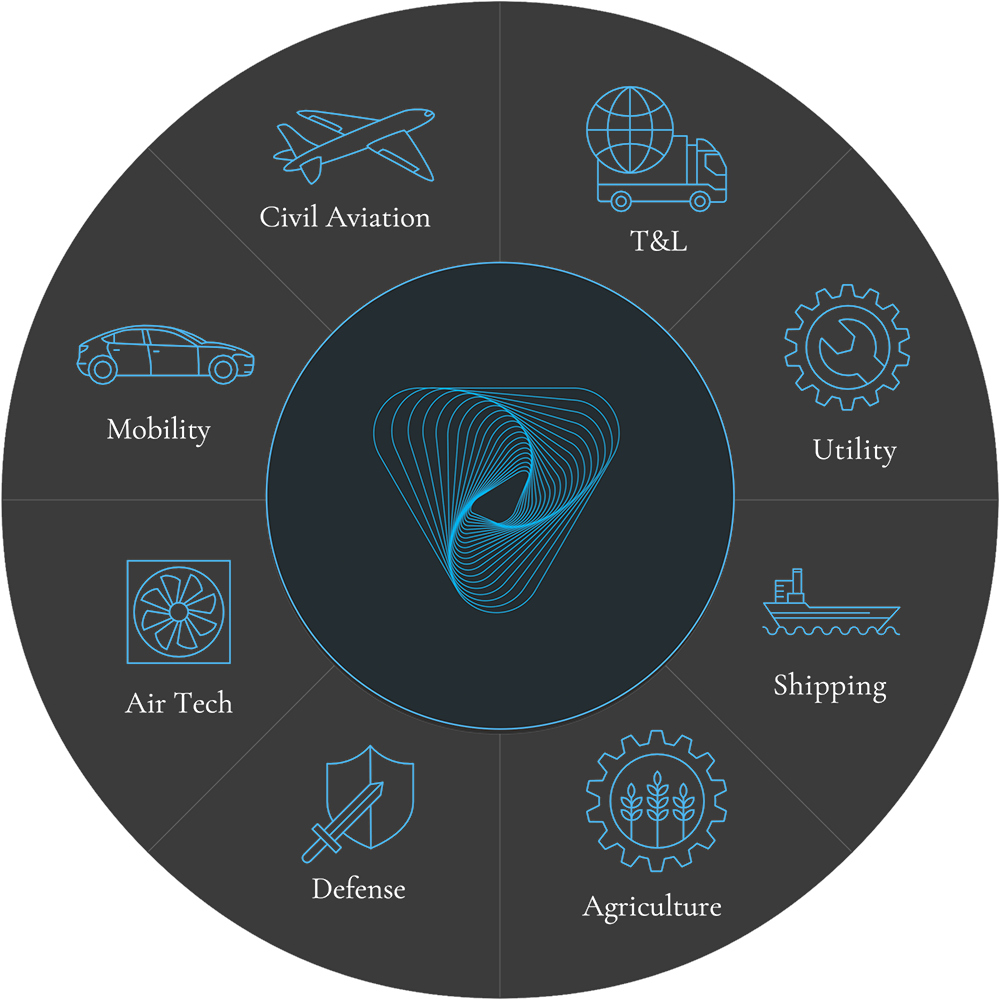
Diese Beispielbetrachtung dient der Veranschaulichung. Die tatsächliche Skalierung erfolgt nicht sequenziell über einzelne Märkte, sondern über die strukturierte Übertragung des Technologiekerns in mehrere Anwendungen.
Mit jeder Implementierung erweitert sich die Plattform — technologisch, datenbasiert und wirtschaftlich.
Executive Summary
Vortifer Drive ist ein patentgeschütztes, skalierbares Antriebssystem auf Basis eines fluidmechanischen Wirkprinzips. Die Technologie ist so ausgelegt, dass Schub, Stabilisierung und Redundanz nicht über separate Komponenten realisiert werden, sondern in einer integrierten Systemarchitektur zusammengeführt sind.
„Der Fokus liegt nicht mehr auf Machbarkeit — sondern auf reproduzierbarer Performance, quantitativer Validierung und anwendungsgetriebener Skalierung.“
Vortifer adressiert diese Problemlage nicht über inkrementelle Anpassungen bestehender Designs, sondern über einen alternativen physikalischen Ansatz. Die Entwicklung erfolgt entlang einer durchgängigen Modellierungs‑, Test- und Integrationskette — von der Simulation bis zur Integration in industrielle Systeme.
Die Kommerzialisierung ist entsprechend plattformbasiert angelegt: über Lizenzierung der Kerntechnologie („Vortifer Inside“) sowie Co-Development mit OEMs und Systemintegratoren bis zur Serienintegration.
Der aktuelle Entwicklungsstand umfasst ein validiertes Wirkprinzip sowie erste Prototypen. Im nächsten Schritt steht der Übergang in einen flugfähigen Demonstrator, einschließlich strukturierter Testprogramme und der Vorbereitung industrieller Integrationspfade.
Vortifer Drive steht an der Schwelle vom validierten Kernprinzip zur reproduzierbaren Systemintegration: Der nächste Meilenstein ist der flugfähige Demonstrator mit strukturierter Validierung – als Basis für skalierbare Partnerschaften und eine IP-getriebene Plattformkommerzialisierung.
Technologie & Validierungsstand
- IP-Schutz: EU, USA, China, Japan, Israel u.a.
- Validiert / im Aufbau / nächste Schritte: physikalisches Wirkprinzip und grundlegende Skalierbarkeit; 6‑DOF-Modellkette im Aufbau; nächste Schritte sind quantitative Kennfelder (Schub/Leistung/thermische Limits) am Teststand und Regelungsnachweise; geplant ist ein flugfähiger Demonstrator inkl. reproduzierbarem Testprotokoll und Vergleich Simulation vs. Messdaten
Markteintritt
Der Security- und Dual-Use-Markt öffnet ein Momentum-Fenster für neue Antriebsarchitekturen. Steigende Systemanforderungen – Signaturreduktion, Autonomie, Effizienz, Emissionsfreiheit – lassen sich mit konventionellen Ansätzen strukturell nicht mehr gleichzeitig erfüllen. Technologien, die dieses Fenster nutzen, setzen Marktstandards und skalieren von dort in zivile Anwendungen. Dual-Use ist Einstieg, kein Endpunkt.
Geschäftsmodell & Deal-Strukturen
- Lizenz + Engineering/Integration (einmalig) + volumenbasierte Royalty
- Co-Development mit Meilensteinzahlungen (Simulation → Teststand → Demonstrator → Serienreife)
- Anwendungs-/Territory-Exklusivität nur gegen Mindestabnahmen oder Co-Finanzierung
Mittelverwendung — 12 bis 18 Monate
- Demonstrator-Hardware (Design, Fertigung, Aufbau)
- Testprogramme: Teststand, bodennahe Versuche, Flugtests
- Regelung/Software-Integration und Schnittstellen zum Autopilot/Controller
- Industrialization Readiness: DFM/DFMEA, Lieferanten-/Fertigungskette
- Business Development: Pilotprojekte, Lizenz-/Co-Dev-Verträge, IP-Portfolio
Risikoprofil
Das Risikoprofil hat sich klar verschoben: von offenem Technologierisiko zu kalkulierbaren Execution‑, Skalierungs- und Markteintrittsfragen. Diese sind klar definiert, planbar und beherrschbar.
Exit – Optionalität statt Einbahnstraße
Exit ist kein singuläres Ereignis, sondern ein Optionsraum: strategische Akquisition durch einen Tier-1-Player, Plattform-Joint-Ventures oder sektorspezifische Lizenz-Spin-offs. Entscheidungen folgen strategischen Opportunitäten, nicht kurzfristigem Liquiditätsdruck.
Zusammenarbeit – wen wir suchen
- Family Offices und Deeptech-Investoren mit Hardware-/Aerospace-/Robotics-Fokus
- Strategische Investoren/OEMs als Co-Development-Partner (UAV/VTOL, Defense, maritim)
- Enabler: Test-/Erprobungsinfrastruktur, Fertigungspartner, Zertifizierungs-/Safety-Engineering
- Frühe Anwender für Pilotprojekte (C‑UAS/ISR, Inspektion/Logistik)
Für ein bilaterales Gespräch stehen wir jederzeit gerne zur Verfügung.
KMTC Technologies Holding GmbH | Vortifer Drive | Confidential
Kontakt
Vortifer Drive · CEO-Briefing 2026
Vortifer Drive
CEO-Briefing 2026
CEO-Briefing 2026
A new propulsion principle for autonomous systems
A new propulsion principle for autonomous systems
Vortifer is developing a technology driven platform for a novel propulsion system for air and water applications — with the objective of fundamentally rethinking performance, integration, and scalability.
Vortifer in a nutshell
1. Technology
Vortifer Drive is a patented propulsion system based on toroidal vortex dynamics. The operating principle integrates thrust, stabilization, and redundancy within a single, coherent physical architecture and is designed for applications in both air and water.
2. Investment in a platform
At its core is not a single product, but a technological platform that can be integrated into a range of systems or developed into complete system solutions.
The investment is therefore focused on building and scaling an IP driven technology platform.
3. Scalability – illustrated in one sector
Scalability can be demonstrated through concrete application domains.
In transport and logistics, it becomes evident how the same technological core can be deployed across different system configurations — and how performance and integration evolve in response to specific requirements.
4. Transfer into the platform model
This example is intended as an illustration. In practice, scaling does not occur sequentially across individual markets, but through the structured transfer of the technological core into multiple applications.
With each implementation, the platform expands — technologically, through accumulated data, and economically.
Executive Summary
Vortifer Drive is a patented, scalable propulsion system based on a fluid dynamic operating principle. The technology is designed such that thrust, stabilization, and redundancy are not implemented as separate components, but are inherently integrated within a unified system architecture.
“The focus is no longer on feasibility, but on reproducible performance, quantitative validation, and application‑driven scalability.”
Vortifer addresses this challenge not through incremental modifications of existing designs, but through an alternative physical approach. Development follows a continuous chain of modelling, testing, and integration — from simulation through to deployment in industrial systems.
Commercialization is structured as a platform model: through licensing of the core technology (“Vortifer Inside”), combined with co development with OEMs and system integrators leading to series integration.
The current development stage includes a validated operating principle and initial prototypes. The next step is the transition to a flight capable demonstrator, including structured test programs and preparation for industrial integration pathways.
Vortifer Drive is at the transition from a validated core principle to reproducible system integration. The next milestone is a flight capable demonstrator with structured validation — forming the basis for scalable partnerships and platform based commercialization.
Technology & Validation status
- IP protection: EU, USA, China, Japan, Israel, among others.
- Validated / in progress / next steps: Physical operating principle and initial scalability validated; 6 DOF model chain under development; Next steps: quantitative performance mapping (thrust, power, thermal limits) on the test bench and control validation; Planned: flight capable demonstrator, including a reproducible test protocol and comparison of simulation and measured data
Market entry
The security and dual use market creates a window of opportunity for new propulsion architectures. Increasing system requirements – such as reduced signature, autonomy, efficiency, and zero emissions – can no longer be addressed simultaneously with conventional approaches.
Technologies that capture this opportunity will define market standards and scale from there into civilian applications. Dual use is the entry point, not the endpoint.
Business model & deal structures
- Licensing + engineering/integration (one off) + volume based royalty
- Co development with milestone based payments (simulation → test bench → demonstrator → series readiness)
- Application and territory exclusivity only in exchange for minimum purchase commitments or co financing
Use of funds – 12 to 18 months
- Demonstrator hardware (design, manufacturing, assembly)
- Test programs: test bench, ground testing, and flight testing
- Control and software integration, including interfaces to autopilot and control systems
- Industrialization readiness: DFM/DFMEA, supplier and manufacturing setup
- Business development: pilot projects, licensing and co development agreements, IP portfolio
Risik profile
The risk profile has shifted significantly: from open ended technology risk to more defined execution, scaling, and market entry challenges. These are clearly structured, measurable, and manageable.
Exit – optionality rather than a single path
Exit is not a single event, but a set of strategic options: acquisition by a Tier 1 player, platform based joint ventures, or sector specific licensing spin offs. Decisions are driven by strategic opportunities rather than short term liquidity pressure.
Collaboration – who we are looking for
- Family offices and deep tech investors with a focus on hardware, aerospace, or robotics
- Strategic investors / OEMs as co development partners (UAV/VTOL, defense, maritime)
- Enablers: testing infrastructure, manufacturing partners, certification and safety engineering
- Early adopters for pilot projects (C UAS/ISR, inspection, logistics)
